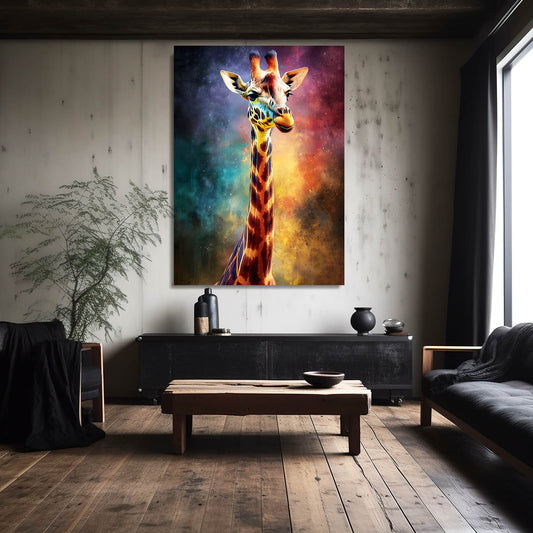
Psychedelic Art Collection
Introduction to Psychedelic Art
Psychedelic art is more than just vibrant paintings filled with bold colors and trippy shapes—it represents a movement that reshaped modern artistic expression, music, and consciousness. Emerging during the psychedelic movement of the 1960s, it was highly influenced by psychedelic drugs like LSD, which opened the inner world of perception and gave rise to psychedelic experiences, surreal visions, and mind blowing imagery.
Origins: The Psychedelic Movement and Culture
The psychedelic culture began in San Francisco, where artists such as Rick Griffin, Wes Wilson, Victor Moscoso, and Alton Kelley designed legendary concert posters and album covers. These works became iconic examples of how psychedelic artists used bright colors, distorted forms, and psychedelic hallucinatory patterns to describe altered perceptions. Their creations not only reflected the hippies’ exploration of LSD trips and psychedelic states, but also helped define the look of the entire psychedelic movement.
Key Artists and Influences
Rick Griffin: Famous for his album covers and posters blending spirituality, surreal landscapes, and a mind manifesting approach.
Wes Wilson: Known for pioneering the psychedelic patterns and lettering style that became synonymous with psychedelia.
Victor Moscoso: Innovator of designed art using clashing colors and optical effects.
Alton Kelley: His images merged nostalgia, dreams, and psychedelic experiences, creating an accurate depiction of countercultural aesthetics.
Together, these artists built a style that was both a creative rebellion and a meditative experience, offering an unparalleled freedom of visual exploration.
Elements and Techniques of Psychedelic Art
The collection showcases works featuring:
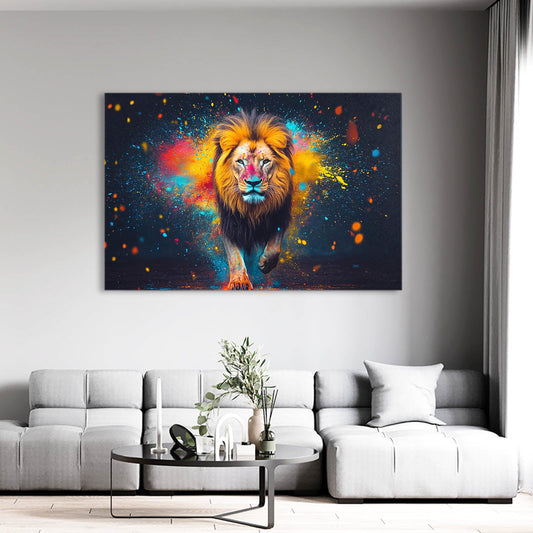
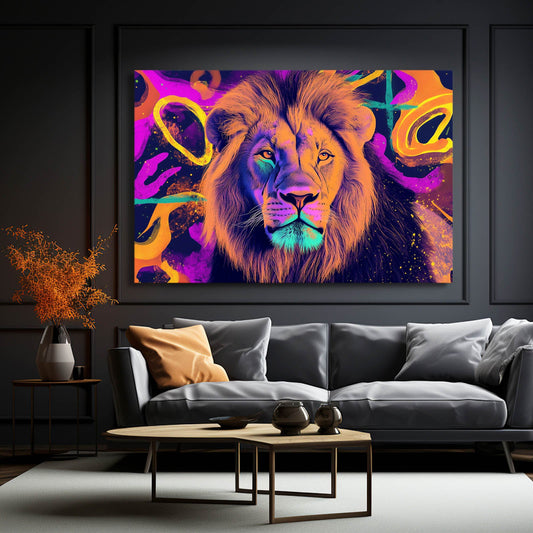
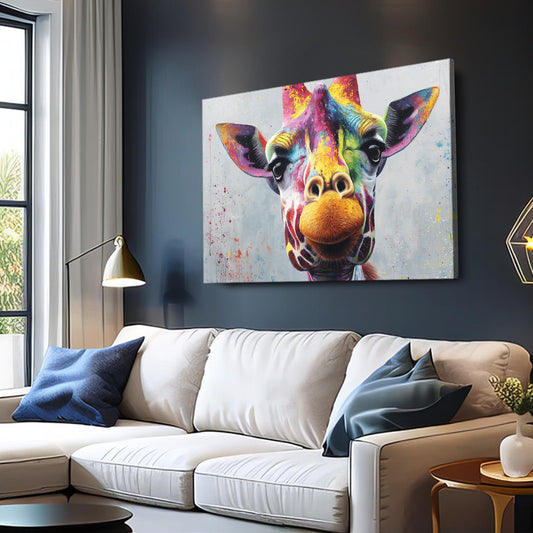
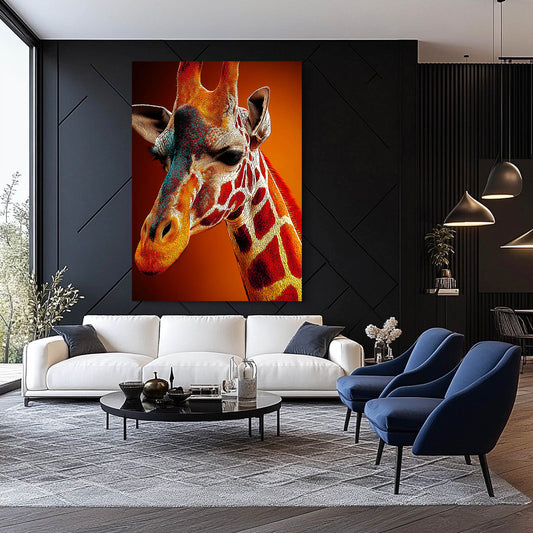
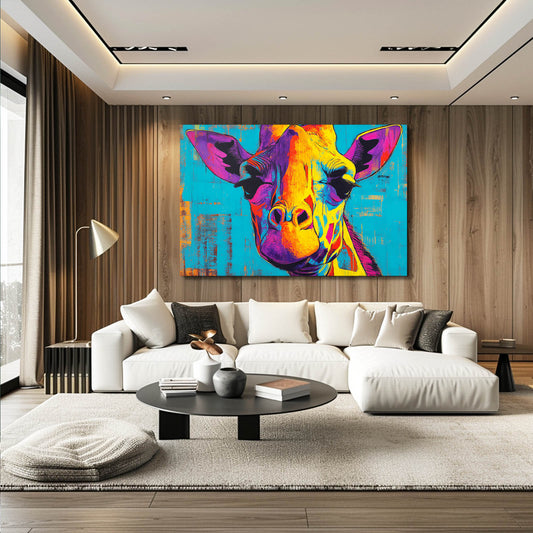
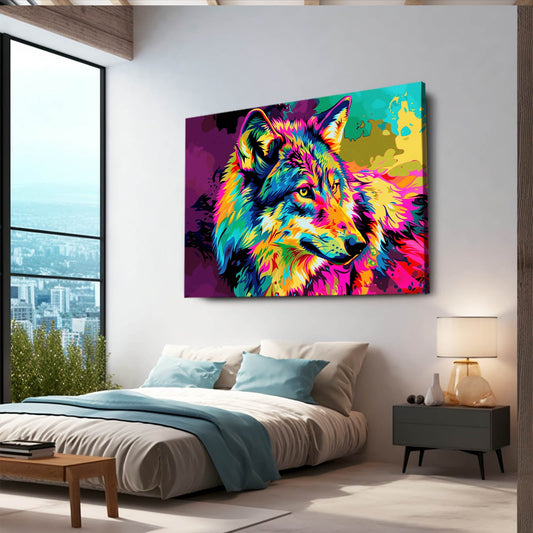
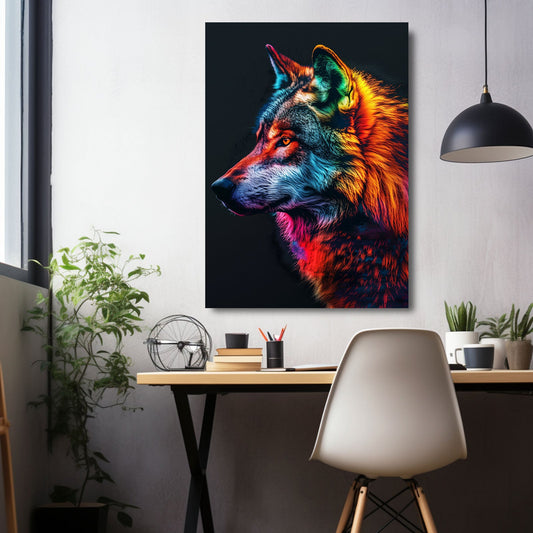
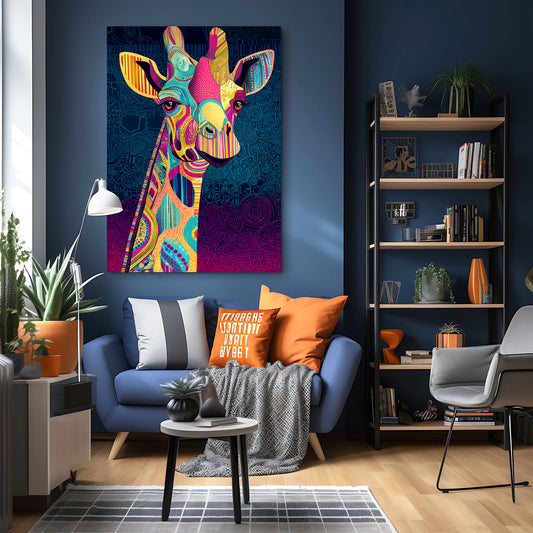
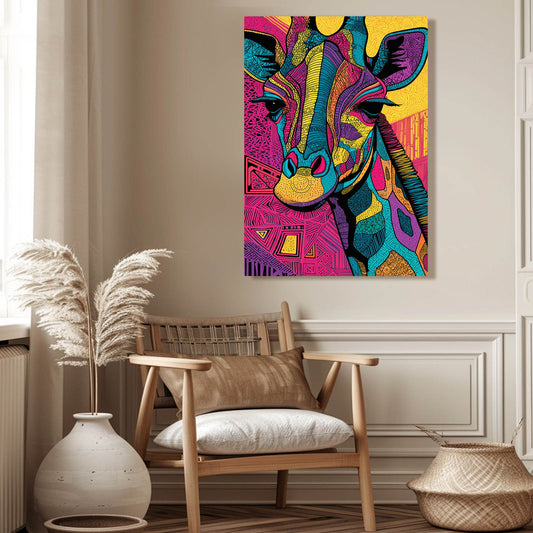
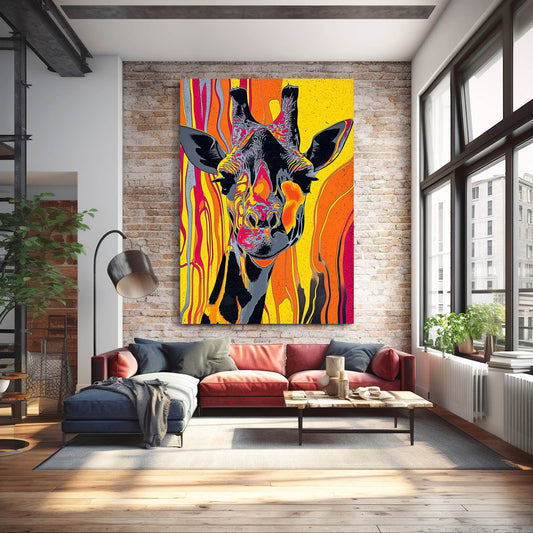
Bold colors and bright colors to evoke mind blowing intensity.
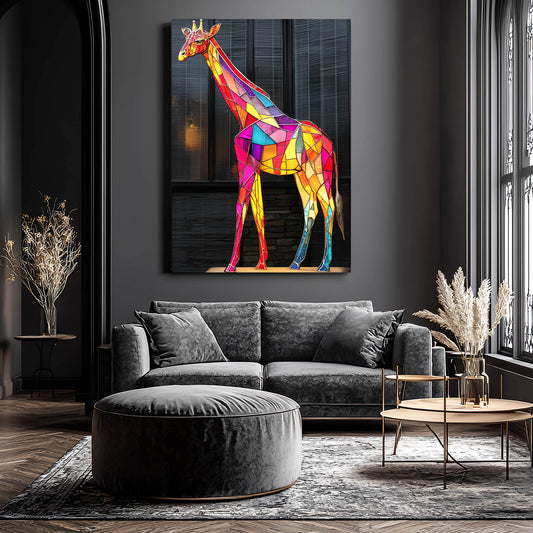
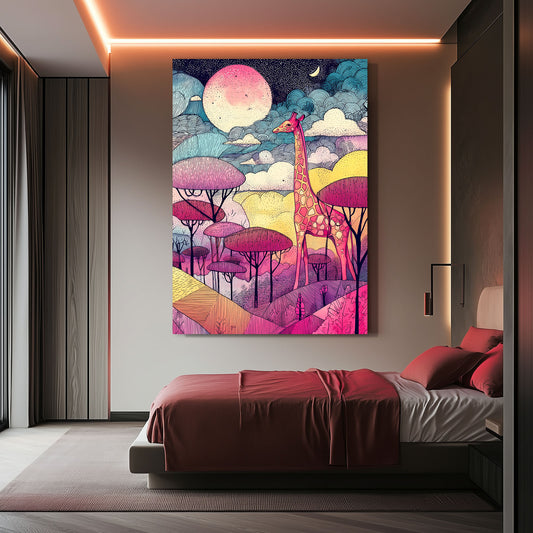
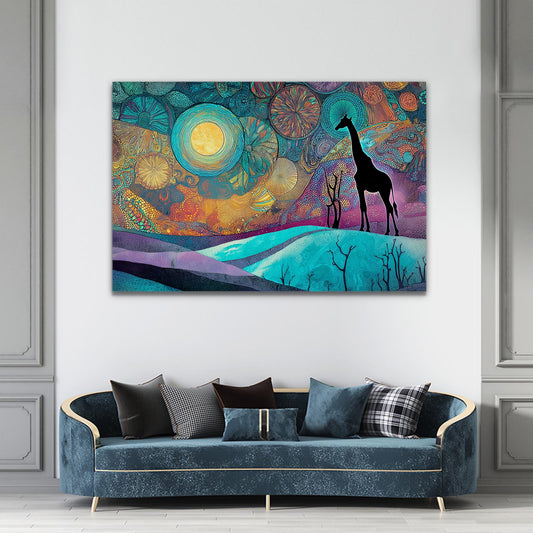
Distorted forms and surreal imagery inspired by visions and dreams.
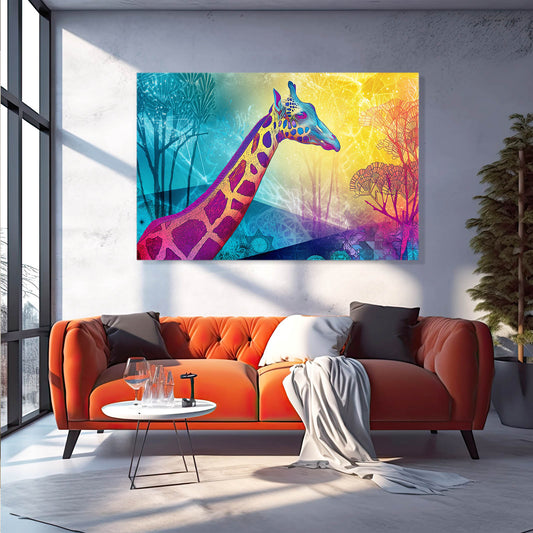
Psychedelic hallucinatory patterns echoing altered states of perception.
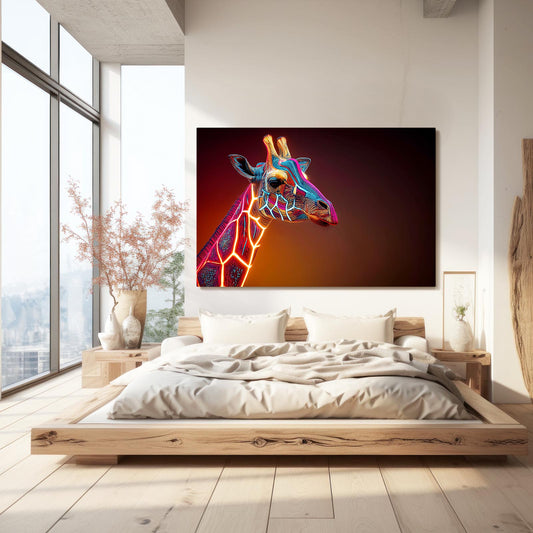
Digital art created with image manipulation and digital technologies that continue the digital revolution of the digital age.
This combination of artistic expression and designed art mirrors both traditional techniques and modern digital technologies, making the collection relevant from the 1960s to today.
Psychedelic Art and Music
From album covers of the Grateful Dead to concert posters for Jefferson Airplane, psychedelic art has always been deeply tied to music. The artwork was not just decoration—it was a creative interpretation of the sound, a visual translation of the psychedelic vision achieved through psychedelic drugs. Many fans report that viewing art while listening to music created a meditative experience and enhanced their psychedelic experiences.
The Inner World: Psychedelic Vision and Consciousness
At its core, psychedelic art seeks to represent the inner world, the landscapes of consciousness, and the mind revealing insights of altered states. By exploring psychedelic states, artists attempted an accurate depiction of what it feels like to travel through an LSD trip—a mind manifesting, mind revealing, and sometimes mind blowing journey into the subconscious.
Evolution in the Digital Age
While the psychedelic movement began with posters and canvases, today it thrives through digital art. Artists use digital technologies, image manipulation, and modern tools to expand on the tradition. This digital revolution has allowed psychedelic artists to create immersive, interactive experiences—blending designed art with motion, sound, and light. In the digital age, the psychedelic vision continues to inspire creative communities worldwide.
Themes and Meanings
Recurring themes include:
The search for consciousness and understanding.
The interplay between dreams, visions, and reality.
The fusion of nature, scenery, and cosmic universe imagery.
The influence of psychedelic drugs, plants, and psychedelic experiences.
The celebration of artistic expression, creativity, and unparalleled freedom.
Lasting Impact and Cultural Influence
Over the decades, psychedelic art has influenced not only music and posters, but also fashion, advertisers, and digital art communities. The designed art styles of psychedelia remain deeply tied to psychedelic culture, continuing to inspire new generations of artists.
Also check out the complete site here.


 -28%
-28%
 -28%
-28%
 -28%
-28%
 -28%
-28%
 -28%
-28%
 -28%
-28%
 -28%
-28%
 -28%
-28%
 -28%
-28%
 -28%
-28%